The Stencil Studio View CartCheckout  | About Us | Contact Us | How to Stencil 
Home
Contemporary Stencils
Classic Stencil Designs
Children's Stencil Designs
Kids Funky Retro T-Shirts
Stencil Art
Portraits & Pictures
Just For You
Inspirations...
Search

Shopping Cart
ItemQtyPrice

Sub Total: £0.00
Delivery: £0.00
Total: £0.00

Select Currency
EuroPound SterlingUS Dollar


World Wide
 Delivery Service

P&P Options:
UK Royal Mail First Class
Delivery - £2.50
UK Royal Mail First Class
 Recorded - £3.20
Europe Standard
 Airmail - £3.95
Europe Tracked
 Airsure - £8.15
Rest of the World
 Standard Airmail - £4.95

P&P is Charged Per Order
(Not Per Item)

Categories

HOW TO STENCIL

Follow our simple stencilling steps for perfect results

YOU WILL NEED

STENCILS

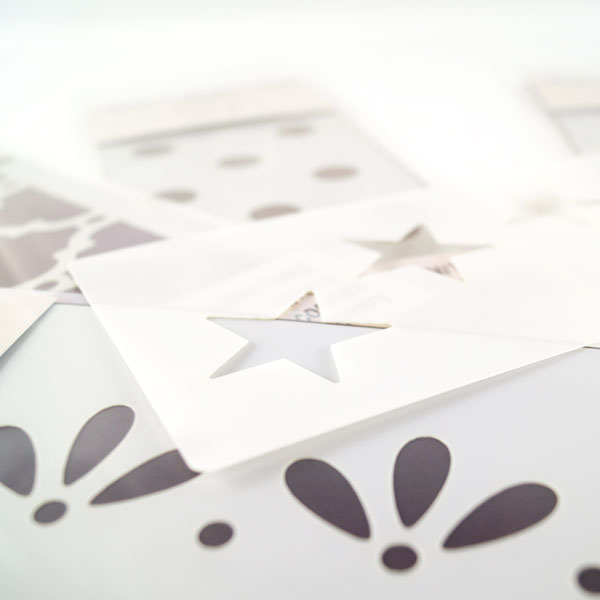
All our stencils are cut from a very strong, flexible, transparent polyester material called Mylar. Mylar can be used literally hundreds of times with any type of paint on any surface. With a little careful cleaning and storage your stencil will last a lifetime.

PAINTS

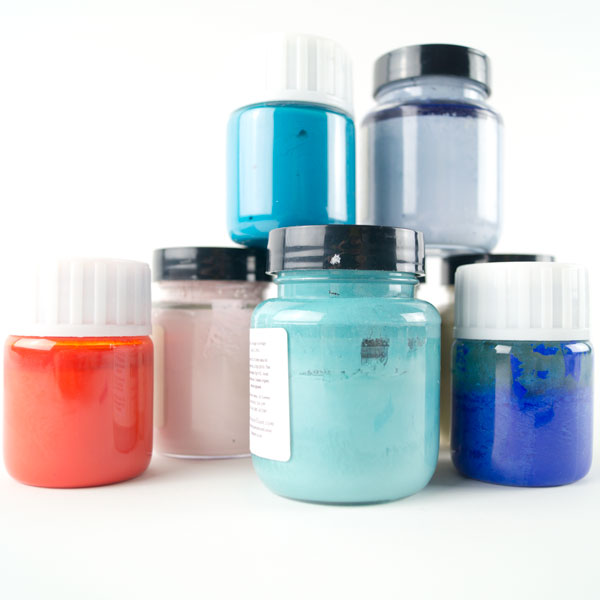
Any kind of paint may be used for stencilling. The most commonly used, however, are water-based acrylic paints, spray paints and oil-based paint sticks or crayons. All are easy to use and are widely available in a huge range of colours.

ADHESIVE

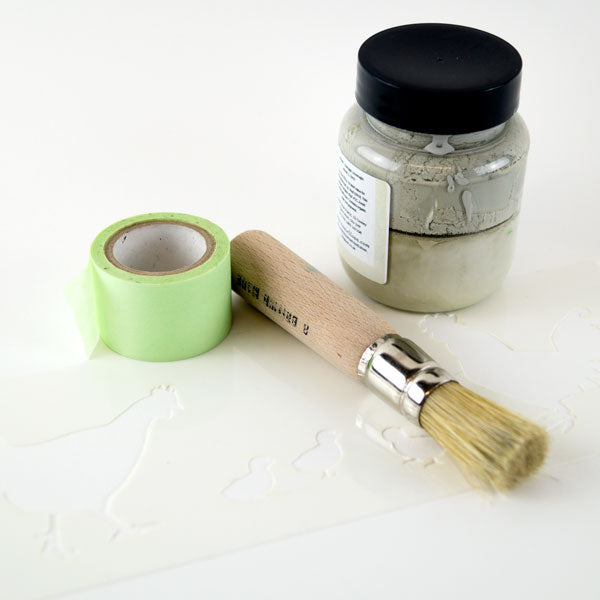
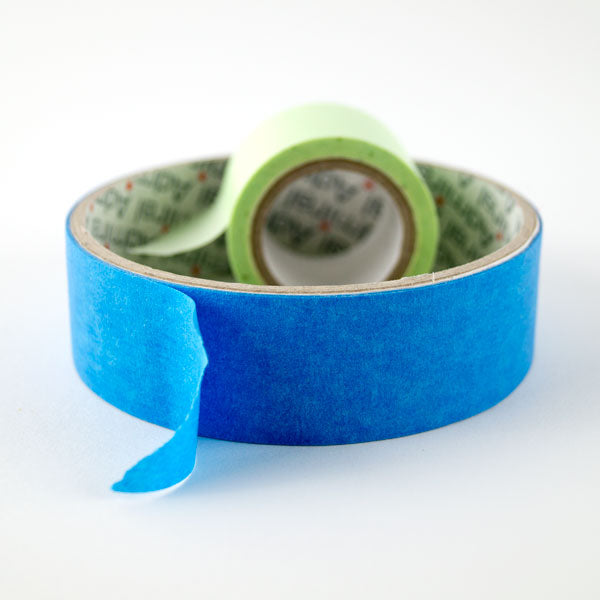
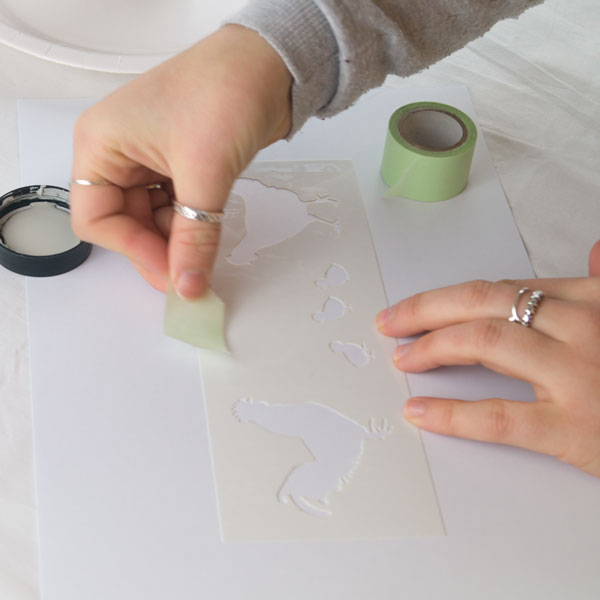
Use spray adhesive or low tack masking tape to secure the stencil before painting. If your stencil is particularly intricate or large you may need to use both spray and tape. Tape is also useful for masking off areas of the design not required.

BRUSHES

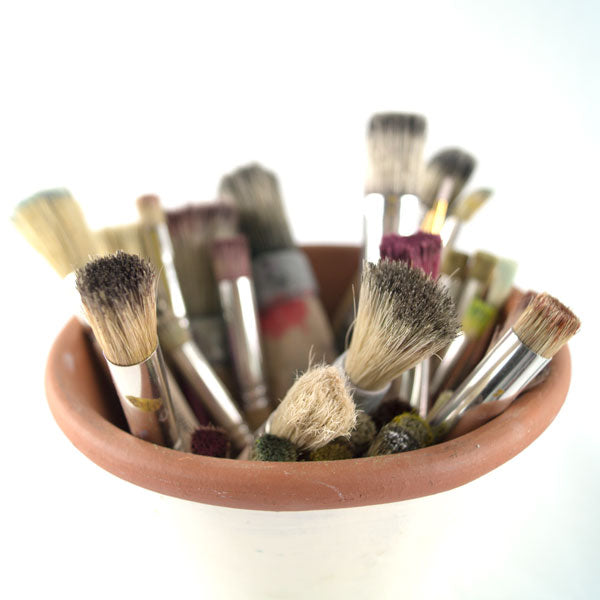
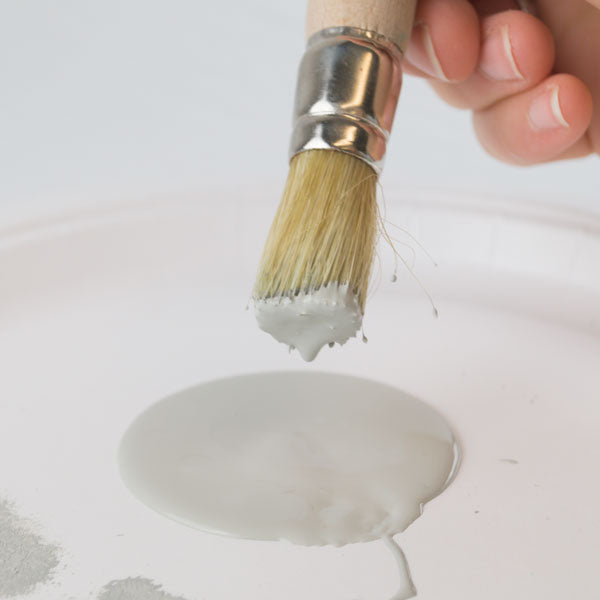
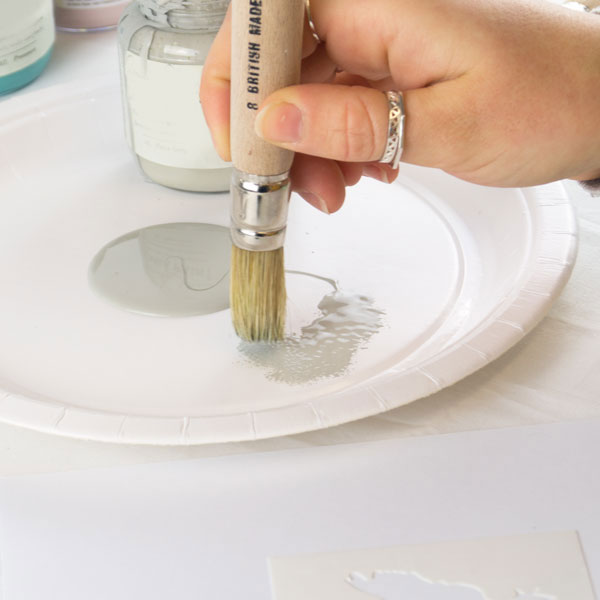
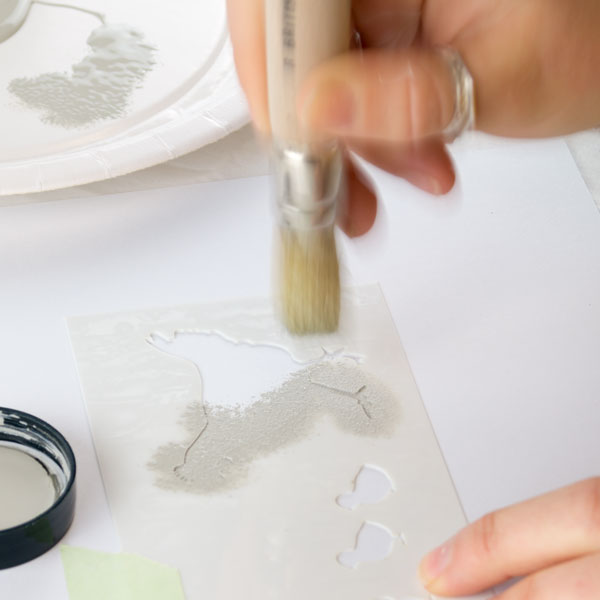
Most stencil brushes have a flat or domed shaped end. Choose brush size according to the size of your stencil. Generally it's advisable to use a different brush for each colour. Keep the brush at a 90 degree angle to the surface you are working on, move the brush in an up and down 'stippling' action or a circular motion. Water-based paints can also be applied with pieces of sponge or rollers.

HOW TO STENCIL

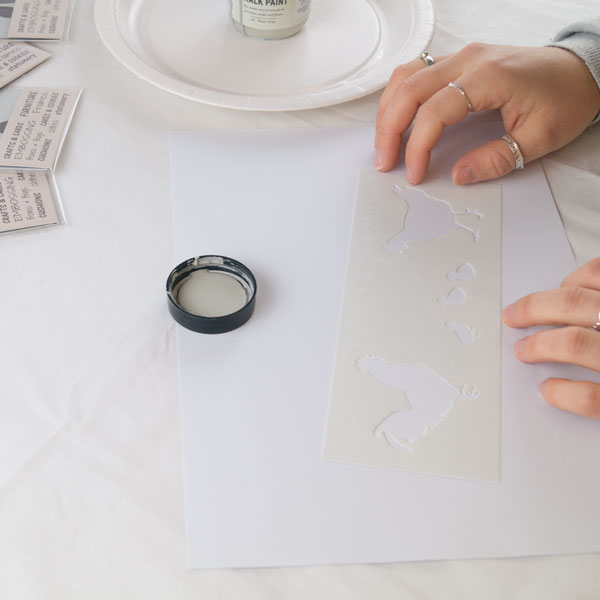
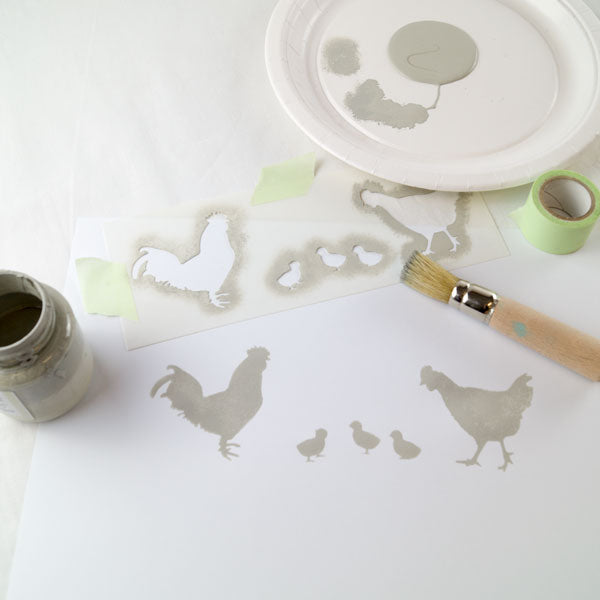
Secure the stencil to your chosen surface using spray mount or low tack masking tape. Most matt surfaces are suitable for stencilling, shinier surfaces can be stencilled too, however some surface preparation may be required.

Starting with the lightest of your chosen colours apply a minimum of paint to the design, keep painting until the whole design is complete, swapping brushes for different colours as you go. When using spray paints it's a good idea to mask off the areas around the edge of the stencil to avoid overspray.

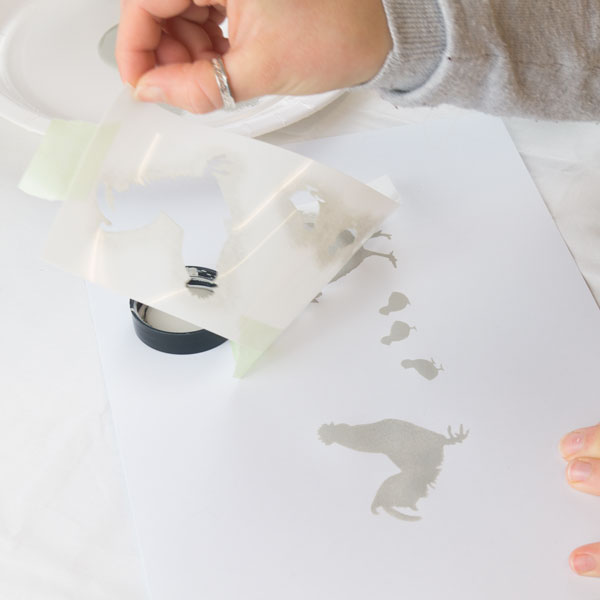
When you have finished painting the design, remove the stencil, reposition, and start again.

T-SHIRTS AND FABRIC STENCILLING

Use acrylic fabric paints, silk screen printing inks or mix your own fabric paints by adding fabric medium to good quality acrylic paints. In all cases follow the manufacturers instructions.

Start by placing a piece of card of thick paper under the fabric area to be stencilled, this stops paint bleeding through the fabric to the other side of the t-shirt and keeps the area to be painted nice and flat. Spray the stencil with spray mount and secure in place on the t-shirt. Use a dry stencil brush to carefully dab a little paint onto the t-shirt though the stencil, be careful not to use too much paint. You may have to add more than one coat of paint so leave the stencil in place until you're happy with your work. Carefully peel the stencil away from the fabric and leave to dry. After a specified drying time some paint manufacturers recommend heat setting the painted area, this process bonds the paint to the fabric so it won't wash off during laundering.

CANVAS STENCILLING

Use acrylic paints, oil paints, spray paints or oil based paint sticks when stencilling a canvas. Acrylic paints are recommended and they are easier to clean from the stencil. Oil based paint sticks do not give a very intense colour coverage but are good for shading. You can use a roller, stencil brush or spray paint directly onto your canvas.

Start by sticking your stencil directly onto the canvas using spray mount adhesive. Using a dry stencil brush dab acrylic paint onto the canvas through the stencil. Using a stippling motion and keeping the brush at a 90 degree angle to the canvas, gradually build up the coverage of paint. Once you are happy with the image then carefully remove the stencil and leave to dry.

If using a multi layer stencil, simply repeat the above process making sure the paint is dry before you add your next stencil layer.

Once finished you use and acrylic varnish on your canvas to help prolong its life and keep it clean. There are a choice of finishes available i.e. matt, satin, gloss depending on the look you want to achieve.

RELIEF STENCILLING

A 3D effect for any hard surface. Add texture to your stencilling.

Secure the stencil in place. Use hole filler (powder filler mixed with PVA instead of water works well)  or texture paste and a spatula or pliable piece of plastic. Use the spatula to spread the filler over the stencil and fill all the holes. Carefully remove the stencil whilst the paste is still wet. To add colour to relief stencilling pigment may be mixed with the filler or paste or simply reposition the stencil over dry filler/paste and paint the design. Wash your stencil before the filler/paste dries on it. 

EMBOSSING

Another raised effect, great for adding a 3rd dimension to home made cards. You will need an embossing tool or medium sized knitting needle and a lightbox or bright window.

Secure the stencil in place on a piece of paper or card then turn the card over and place onto a hard transparent surface such as a lightbox or window. You will need to see the stencil design through the card in order to emboss it. Take the embossing tool and press the card into the stencil, follow all the cut edges. When complete, turn the card over and add colour to your design if required, before removing the stencil. If you find that the embossing tool will not run smoothly on the card, rub a candle across the area to be embossed first.

REPEATING A PATTERN TO CREATE A BORDER OR FEATURE WALL

All our Border Stencils are supplied with location marks so you can easily reposition the stencil for accurate spacing of the design.

For a wallpaper effect repeat a large design either randomly or at regular intervals in stripes, columns or diagonal lines. Use chalk to mark out measured repeats on a wall or a permanent marker pen to draw location marks on the stencil. Reverse the stencil for a mirror image (it may be advisable to use two or more stencils instead of waiting for paint to dry in order to turn the stencil over) or rotate the design to create your own unique pattern.

CARING FOR YOUR STENCIL

Keep your stencils clean to avoid paint build up and retain transparency. After using water based paints clean the stencil by soaking in hot water for a few minutes and then gently peel the paint off the stencil. Oil paints can be removed in a similar way using white spirit or turps. Dry the stencil between towels or kitchen paper and store flat or rolled for future use.

STILL UNSURE?

Then watch our helpful video or Email us with your query  info@thestencilstudio.com

TELEPHONE ORDERS WELCOME
Mon - Fri - 9.30am - 4.30pm GMT
Tel: +44 (0) 1453 731450

Stencil Sizes
A5/A4/A3/A2 - Refers to the size of the Mylar Sheet (not the design) we try to get the design as large as possible allowing for an approx 1" border at the widest part.

A5 - X Small - 15x21cm (6x8.5")

A4 - Small - 21x30cm (8.5x12")

A3 - Medium - 30x42cm (12x16.5")

A2 - Large - 42x60cm (16.5x23.5")

If you require an accurate measurement of the design please email us at info@thestencilstudio.com


Special Offers
Rat Pack 1 - 6 Stencils for the Price of 5
Banksy Best Sellers Pack - 6 Stencils for the Price of 5
Rat Pack 2 - 6 Stencils for the Price of 5

PAYMENT OPTIONS
The Stencil Studio accept:-
 Credit /Debit Cards
  Paypal Account Holders
Cheques & Postal Orders

Share The Stencil Studio with your Friends


Site Map | Terms & Conditions